Solving supply chain delays with Australian-made amenities
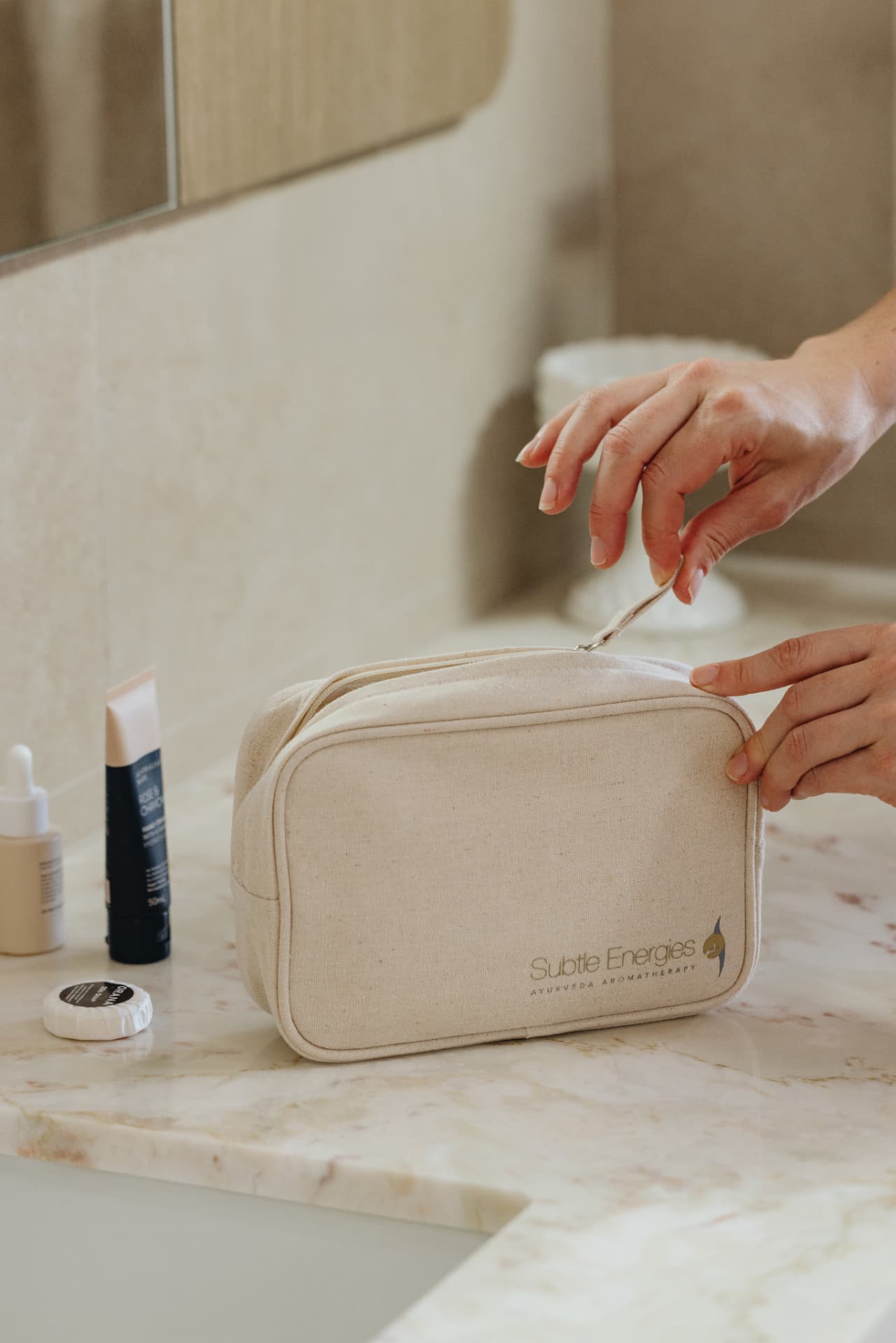
Ask any hotel operations manager what keeps them up at night and supply is usually near the top of the list. A shipment of guest amenities held at port, a container rescheduled, a factory closure on the other side of the world — none of it is visible to the guest, but all of it lands squarely on housekeeping and procurement.
Over the past few years the answer for a growing number of Australian and New Zealand properties has been simple: shorten the line. Sourcing amenities from local manufacturers removes the longest and least predictable leg of the journey, and it does so without asking a property to compromise on quality or presentation.
Where the delay actually happens
Imported amenity programs rarely fail at the factory. They fail in transit and at the border. Ocean freight schedules move, transhipment adds weeks, customs and quarantine inspections add more, and domestic distribution sits at the end of it all. A program with a nominal twelve-week lead time can quietly become twenty — and the buffer stock a property was holding disappears halfway through.
Australian-made programs typically run on a lead time measured in weeks rather than months, with production and warehousing in the same country as the property. If occupancy spikes, or a refurbishment brings a wing back online earlier than planned, a top-up order is a domestic freight problem instead of an international one.
The emissions case
Freight is one of the more measurable parts of an amenity program's footprint. Moving cartons of bottled product from an overseas factory to an Australian hotel means thousands of kilometres of sea and road transport, plus the packaging needed to survive it. Producing locally cuts most of that distance out entirely.
For properties reporting against sustainability targets, or responding to group-level ESG requirements, local sourcing is a change that is easy to evidence: fewer freight kilometres, fewer transport legs, and a supply chain that can actually be visited and audited.
Practical steps for procurement teams
- Map current lead times honestly, including the time between a purchase order and product landing in your store room — not just the manufacturer's quoted production window.
- Identify the lines most exposed to delay. Bathroom amenities, slippers and packaged consumables move fastest and hurt most when they run out.
- Ask suppliers where each product is manufactured, filled and warehoused. A local distributor is not the same as local manufacturing.
- Trial a single category. Moving one line — hair and body care, for example — to an Australian-made program is a low-risk way to test quality, guest response and reorder speed.
- Build reorder points around real consumption data rather than a fixed calendar, and agree buffer stock levels with your supplier in writing.
Quality is no longer the trade-off
The old assumption was that local production meant a narrower or less refined offer. That is no longer true. Australian and New Zealand manufacturers now produce botanical hair and body care, refillable dispenser systems and bespoke packaging that sit comfortably in luxury properties, with the added advantage of a local provenance story guests genuinely respond to.
For most properties the sensible position is a blended one: keep the international brands that define the guest experience, and move the high-turnover, delay-sensitive lines closer to home. The result is a program that holds its standard on the shelf and holds its schedule on the loading dock.
If you would like to review your current amenity program against locally manufactured alternatives, our team is happy to talk it through.